
Exposure to and use of pornography is routine among young men. Males are more likely than females to intentionally use pornography, to do so regularly, and to first view it at a young age (Crabbe et al., 2024; eSafety Commissioner, 2023). In an Australian study of 15–29-year-olds, 100% of males and 82% of females reported ever viewing pornography (Lim et al., 2017). In another study among young people aged 15-20, over four-fifths (86%) of young men and over two-thirds (69%) of young women had seen pornography.
Amanda Keddie
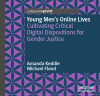
This new book:
- Explores young men’s online lives in the context of growing concerns about gender-based digital harms
- Offers nuanced insight into the complexities and tensions of young men’s positive and negative experiences online
- Proposes a framework for developing young men’s critical digital dispositions for gender-just online engagement
By Professor Amanda Keddie and Professor Michael Flood
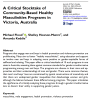
Programs that engage men and boys in health promotion and violence prevention are proliferating. Many aim to foster “healthy masculinities”, using education and support to involve men and boys in adopting more positive or gender-equitable forms of selfhood and relating.
This paper offers a critical stocktake of 15 'healthy masculinities' programs in one state in Australia, assessing them against common standards for gender-transformative programming among men and boys.